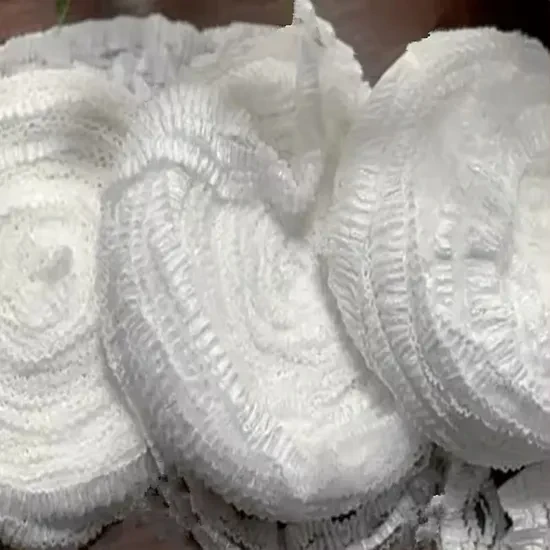
acetate tow adalah
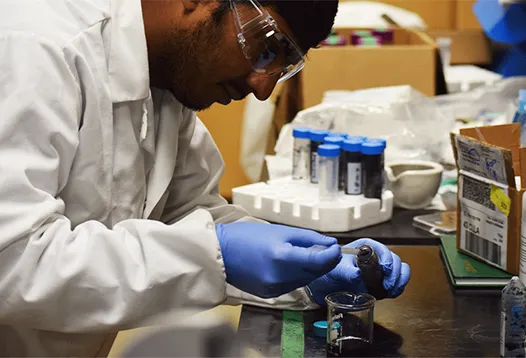
The Strategic Imperative of Selecting a Premier Acetate Tow Supplier in Global Industries In the intricate ecosystem of modern industrial manufacturing, the selection of a reliable acetate tow supplier transcends a mere procurement transaction; it represents a foundational strategic decision impacting myriad facets of product quality, operational efficacy, and market leadership. Cellulose acetate tow, a sophisticated semi-synthetic fiber derived from purified cellulose, is an indispensable component across a multitude of specialized applications, most notably within advanced filtration systems and the global tobacco industry. Its distinctive amalgamation of physical and chemical properties, including unparalleled filtration capabilities, inherent biodegradability, and remarkable versatility for precise customization, firmly establishes it as a critical material for manufacturers aspiring to achieve superior performance benchmarks and uphold environmental stewardship. A comprehensive understanding of its intricate production methodologies, rigorous technical specifications, and diverse application landscapes is therefore paramount for B2B stakeholders who are committed to optimizing their intricate supply chains and delivering end-products that consistently meet, or even surpass, the most stringent industry standards. This authoritative guide aims to provide an exhaustive exploration into the core attributes of High Quality Hot Sell White Fiber Cellulose Acetate Tow, meticulously detailing its manufacturing complexities, elucidating its profound technological advantages, and delineating the pivotal factors that unequivocally distinguish leading acetate tow suppliers in an intensely competitive global marketplace. Our objective is to furnish procurement specialists, dedicated R&D teams, and adept technical engineers with a nuanced, well-informed perspective, empowering them to make astute decisions concerning their acetate tow sourcing strategies, thereby ensuring sustained innovation and enduring success within their respective domains. We will meticulously chart the material's transformative journey from its raw cellulose origins to its refined tow product form, placing particular emphasis on the advanced engineering paradigms and rigorous multi-stage quality control measures that collectively define excellence within this highly specialized sector of fiber production. The persistent and escalating global demand for premium cellulose acetate tow is fundamentally propelled by continuous advancements in sophisticated filtration technologies and the dynamic evolution of consumer preferences across various critical sectors. As industries worldwide increasingly pivot towards more sustainable, environmentally conscious, and operationally efficient material solutions, the strategic significance of cellulose acetate tow becomes progressively more pronounced. Its unique, unparalleled capacity to selectively and effectively filter particulate matter, harmoniously coupled with its intrinsic biodegradability, presents an exceptionally compelling and viable alternative to conventional synthetic polymers, especially within environmentally sensitive and highly regulated applications. The precise properties of this specialized material, meticulously defined by parameters such as its specific denier per filament (DPF), total denier (TD), engineered cross-sectional shape, and precisely controlled crimp, are not merely arbitrary measurements but are intricately engineered and optimized to achieve highly specific filtration efficiencies, desired material handling characteristics, and predictable downstream processing behaviors. For instance, in its most widespread application within cigarette filters, these parameters are meticulously calibrated to optimally reduce specific harmful constituents present in smoke while concurrently preserving an ideal draw resistance and desired sensory attributes crucial for consumer acceptance. Extending far beyond its primary utility in tobacco products, the remarkable versatility of acetate tow facilitates its widespread adoption in critical fields such as precision medical filtration, advanced industrial air purification systems, and highly specialized textile applications where its superior absorbency, exceptional comfort, and tactile softness are greatly valued. Establishing a collaborative relationship with an experienced acetate tow supplier necessitates considerably more than merely acquiring a commodity; it mandates the cultivation of a robust, enduring partnership founded upon profound technical expertise, unwavering and consistent quality assurance protocols, and a proven capability for delivering bespoke, tailored solutions. This encompasses an exhaustive evaluation of the supplier's advanced capabilities in navigating complex, multi-stage manufacturing processes, demonstrating steadfast adherence to stringent international quality standards, such as those stipulated by ISO (International Organization for Standardization) and ANSI (American National Standards Institute) where applicable, and providing comprehensive, proactive technical support to ensure the seamless and efficient integration of the acetate tow into the client's existing, high-speed production lines. The subsequent sections of this article will meticulously elaborate upon these pivotal aspects, offering a holistic and deeply analytical perspective on the multifaceted factors that collectively contribute to the inherent value, consistent performance, and unwavering reliability of premium-grade cellulose acetate tow. We will also explore emerging industry trends, present detailed technical parameters in an accessible format, and discuss practical application scenarios to emphatically underscore the material's enduring significance and the profound level of expertise inherently required to supply it with consistent excellence in a globalized market. The Meticulous Manufacturing Process: From Cellulose Pulp to High-Performance Tow The sophisticated production of High Quality Hot Sell White Fiber Cellulose Acetate Tow is a testament to advanced chemical engineering and precision mechanical processing, orchestrating the intricate transformation of natural cellulose into a meticulously engineered, semi-synthetic fiber possessing highly specific and reproducible properties. This transformative journey commences with the judicious selection of high-grade wood pulp or purified cotton linters, which serve as the indispensable primary source of cellulose. This foundational raw material undergoes an exceedingly rigorous purification regime, encompassing multiple washing and bleaching stages, to meticulously eliminate residual lignin, hemicelluloses, and other impurities that could compromise the quality and consistency of the final product. Following purification, the cellulose is prepared for the pivotal acetylation process. Acetylation is the core chemical reaction where purified cellulose reacts with acetic anhydride, typically in the presence of acetic acid and a precisely controlled sulfuric acid catalyst, to chemically transform into cellulose acetate. The "degree of substitution" (DS), which quantifies the average number of hydroxyl groups per anhydroglucose unit that have undergone esterification with acetyl groups, is a parameter of paramount importance and is meticulously controlled during this stage. The DS directly dictates the solubility characteristics, thermal performance, mechanical strength, and overall functional efficacy of the resultant acetate tow. For applications like cigarette filters, a specific range of diacetate or triacetate with a precisely calibrated DS is predominantly favored due to its optimal balance of filtration efficiency, processability, and favorable material handling characteristics on high-speed machinery. Post-reaction, the cellulose acetate is precipitated from the solution, thoroughly washed in multiple stages to eradicate residual acids and any remaining impurities, and subsequently dried to yield uniform cellulose acetate flakes. These flakes, embodying high purity and consistent molecular weight, are then meticulously dissolved in a suitable solvent, typically acetone, to formulate a highly viscous, homogeneous solution scientifically referred to as "spinning dope." The rheological properties, purity, and absolute consistency of this spinning dope are utterly critical; even minor inconsistencies at this stage can precipitate defects in the extruded fibers, leading to diminished performance and increased waste. Therefore, advanced, multi-stage filtration systems are invariably employed at this crucial juncture to meticulously remove even the minutest particulate matter or gel formations from the dope, thereby ensuring an impeccably smooth, uniform, and defect-free extrusion process in the subsequent stages. Figure 1: State-of-the-art manufacturing facility for cellulose acetate tow, showcasing the precision engineering and scalable production capabilities critical for a leading acetate tow supplier . The subsequent, equally critical phase in the production cycle is the dry spinning process, a definitive hallmark of high-quality acetate fiber manufacturing. In this process, the meticulously prepared spinning dope is precisely extruded under controlled pressure through specialized spinnerets. These spinnerets are highly engineered, multi-holed dies featuring exquisitely precise orifices, often machined with micron-level accuracy. As the nascent filaments emerge from these spinneret orifices, they immediately enter a vertical spinning cabinet, also known as a spinning chimney or tower. Within this cabinet, a carefully controlled current of warm air is circulated, inducing the rapid and efficient evaporation of the acetone solvent from the extruded filaments. This instantaneous solidification process transforms the liquid dope into continuous, solid cellulose acetate filaments. The geometric configuration of the spinneret orifices directly dictates the cross-sectional shape of the individual filaments, which can be meticulously engineered into various forms, including the widely utilized Y-shape, a conventional round shape, or other more specialized profiles. Each specific cross-sectional geometry profoundly impacts the fiber’s surface area, inherent rigidity, and the inter-fiber void volume, which, in turn, critically influences the material's filtration efficiency, absorption capabilities, and overall bulk characteristics. Y-shaped filaments, for instance, are extensively favored and recognized for their superior filtration performance in applications such as cigarette filters due to their significantly increased surface area, which facilitates enhanced particle trapping, and their improved intrinsic rigidity, which contributes substantially to the structural stability and integrity of the final filter rod. Subsequent to their formation, these continuous filaments are meticulously gathered together into a cohesive, untwisted bundle, scientifically termed a "tow." To impart essential bulk, resilience, and improve processability, the tow then undergoes a precisely controlled crimping process. During crimping, advanced mechanical means are employed to uniformly impart a wavy or zig-zag pattern along the longitudinal axis of the individual filaments. The "crimp per inch" (CPI), which quantitatively measures the number of these waves or bends per unit length, is a paramount parameter. A higher CPI profoundly enhances the tow's bulk density, improves filament cohesion within the bundle, and significantly boosts filtration efficiency by creating a more tortuous and complex pathway for fluid or airflow. Crucially, adequate crimp also prevents the tow from collapsing under pressure, thereby maintaining the structural integrity and desired porosity of the filter. Following crimping, the tow undergoes a carefully controlled drying stage to achieve the target moisture content, which is vital for preventing clumping and ensuring smooth, consistent processing in downstream machinery. Finally, the dried tow is compressed and precisely baled into compact, uniformly sized packages, ready for efficient shipment to various manufacturing industries worldwide. Throughout this entire, intricate production cycle, a multitude of rigorous quality control checkpoints are systematically implemented. These comprehensive checks span from the initial inspection of raw materials and real-time monitoring of dope viscosity, solvent ratios, and temperature profiles, to in-line measurements of filament denier uniformity, meticulous crimp consistency assessments, and precise bale weight accuracy verifications. Unwavering adherence to stringent international standards such as ISO 9001:2015 is not merely a perfunctory certification but represents an intrinsic, deeply ingrained component of the fundamental manufacturing philosophy for any truly reputable acetate tow manufacturer , underscoring their unwavering commitment to global quality benchmarks and continuous process optimization. The typical shelf life and operational longevity of High Quality Hot Sell White Fiber Cellulose Acetate Tow, when stored under optimal conditions—specifically, in a cool, dry environment, meticulously protected from direct sunlight and excessive humidity—can readily extend for several years without experiencing any significant degradation in its critical physical or chemical properties. This inherent stability renders it exceptionally well-suited for long-term inventory management and facilitates highly efficient, predictable supply chain operations. The expansive applicability of acetate tow spans various critical industries, extending considerably beyond its widely recognized use in tobacco products. While not directly employed for corrosion resistance in pipelines within the petrochemical industry in the same manner as traditional engineering materials like specialized alloys, acetate tow finds valuable utility in highly specialized filtration media for purifying process fluids, meticulously removing fine particulates from various solvents, or even serving as an active component in advanced gas separation membranes. Its exceptional chemical inertness to a broad spectrum of organic solvents and its inherent finely fibrous structure make it an outstanding substrate for such demanding filtration and separation applications. Similarly, within the metallurgy sector, although it is not utilized in high-temperature smelting or casting processes, acetate tow secures niche applications in sophisticated air filtration systems designed for efficient dust collection and particulate removal, or in advanced water treatment processes intrinsically associated with metal finishing operations, where the meticulous removal of fine particulate matter is absolutely essential for environmental compliance and product quality. For the broader and increasingly vital field of water supply and drainage, particularly within cutting-edge water purification systems, cellulose acetate membranes or highly engineered fibrous filter beds derived directly from acetate tow can be effectively deployed for advanced microfiltration or ultrafiltration processes. This leverages its intrinsically fine pore structure and hydrophilic nature to efficiently and effectively remove suspended solids, various microorganisms, and other undesirable contaminants from water, thereby contributing substantially to enhanced water quality, improved public health, and greater resource conservation. A significant advantage in these diverse and demanding scenarios lies in its exceptionally high surface area to volume ratio and its precisely controlled porosity, which collectively lead to exceptionally efficient mechanical filtration and separation. Furthermore, its relatively low density, ease of processing into various forms, and distinctly favorable environmental profile, particularly when juxtaposed against some synthetic polymeric alternatives, contribute significantly to both operational efficiency and overarching sustainability objectives. This comprehensive adaptability underscores why a discerning acetate tow supplier is critical for industries seeking both performance and environmental responsibility. Technical Specifications and Performance Metrics: Unpacking Acetate Tow Parameters for Optimal Application A profound understanding of the precise technical specifications governing cellulose acetate tow is absolutely fundamental for any discerning B2B buyer, product development specialist, or manufacturing engineer. These meticulously defined parameters serve as critical determinants of the tow's ultimate performance across its specific applications, profoundly influencing key operational factors such as filtration efficiency, ease of material handling on high-speed machinery, and the overall quality and consistency of the final end-product. Among the most pivotal metrics that characterize acetate tow are Denier Per Filament (DPF), Total Denier (TD), the engineered cross-sectional shape of the individual filaments, and the precisely controlled crimp per inch (CPI). Denier Per Filament (DPF) refers to the intrinsic fineness or coarseness of a single, individual filament within the tow bundle. A lower DPF value signifies a finer fiber, which typically correlates with the ability to form a denser filter structure and potentially achieve higher filtration efficiency for capturing minute particulate matter. However, it's important to note that a finer DPF can also result in increased draw resistance or pressure drop across the filter. Conversely, a higher DPF indicates a coarser fiber, which generally offers lower resistance to fluid or air flow and exhibits different filtration characteristics, often preferred for applications requiring higher flow rates or less stringent filtration. Total Denier (TD) quantifies the total weight in deniers of 9000 meters of the entire continuous tow bundle. Essentially, it represents the cumulative sum of the DPF multiplied by the total number of individual filaments comprising the tow. This overarching parameter is critically important for accurately determining the overall bulk, material yield, and precise material usage in downstream processes such as filter rod production. For example, a higher TD value signifies a greater amount of fiber material per unit length, which can be directly correlated to the formation of a denser or physically larger filter element, depending on the packing density. The specific cross-sectional shape of the individual filament—commonly engineered as Y-shaped, perfectly round, or an I-shape—exerts a profound impact on the filament's surface area, its intrinsic rigidity, and, most importantly, the inter-fiber void volume within the tow. These attributes, in turn, critically influence both the filtration and absorption properties of the material. Y-shaped filaments, for instance, are widely recognized and highly favored for their superior filtration capabilities, largely attributable to their significantly increased surface area which provides more sites for particle capture and their enhanced rigidity which contributes to structural stability in a filter matrix. An experienced acetate tow supplier provides a comprehensive understanding of these relationships, enabling clients to select the optimal tow for their needs. Figure 2: Advanced laboratory equipment utilized for stringent quality control and precise measurement of intricate acetate tow parameters, ensuring unparalleled consistency and batch-to-batch reproducibility, a hallmark of a reliable acetate tow manufacturer . Crimp Per Inch (CPI) represents a quantitative measure of the number of uniform waves or carefully engineered bends along the longitudinal axis of the fiber's length. A consistently higher CPI value contributes significantly to greater bulk within the tow, substantially improved filament cohesion within the continuous bundle, and demonstrably enhanced filtration efficiency by creating a more tortuous and therefore more effective path for fluid or airflow through the filter matrix. Crucially, adequate and consistent crimp also plays a vital role in preventing the tow from premature collapse under pressure, thereby meticulously maintaining the structural integrity and desired porosity of the final filter element throughout its operational life. Other vitally important parameters include moisture content, which must be scrupulously controlled within a narrow range to prevent undesirable clumping of the fibers and to ensure impeccably smooth and consistent processing on high-speed machinery; tenacity (breaking strength) and elongation at break, which collectively indicate the fiber's intrinsic strength and elasticity, properties that are absolutely crucial for resilient handling and for preventing unwanted breakage during the demanding manufacturing processes. Finally, opacity and whiteness are critical aesthetic parameters, particularly important for applications where visual consistency and purity are paramount, such as in visible filter applications where a pristine white appearance is desired by the consumer. Reputable acetate tow suppliers consistently provide exhaustive and precise specifications for each of these critical parameters, invariably accompanied by comprehensive Certificates of Analysis (CoAs) for every single batch produced. This meticulous documentation serves as an indispensable guarantee of product conformity and quality. Adherence to internationally recognized industry-standard testing methodologies, such as those meticulously prescribed by ISO, ASTM (American Society for Testing and Materials), or other relevant national standards organizations, ensures unparalleled comparability and unwavering reliability of these reported metrics across the global supply chain. For example, tenacity is typically quantified in grams per denier (g/den) and elongation is expressed as a percentage of the original length before breakage. Leading acetate tow manufacturers frequently possess the advanced capabilities and technical prowess to meticulously customize these parameters to precisely align with highly specific customer requirements. This includes, for instance, finely tuning DPF and TD values to achieve a desired balance of draw resistance and optimal filtration performance in cigarette filters, or meticulously optimizing crimp and cross-section to attain enhanced fluid absorption rates or specific bulk properties in medical or non-woven applications. The intricate interplay of these multifaceted specifications fundamentally determines the overall efficacy, optimal performance, and ultimate suitability of the acetate tow for its intended end-use, rendering precise and unambiguous communication of requirements between the buyer and the acetate tow supplier absolutely essential for successful product development, consistent manufacturing output, and long-term market success. Typical Cellulose Acetate Tow Specifications: A Detailed Overview Parameter Unit Typical Range (for High Quality Hot Sell White Fiber Cellulose Acetate Tow) Description / Significance to a Acetate Tow Supplier 's Offering Denier Per Filament (DPF) Denier 1.5 - 8.0 (Customizable for specific filter types) Defines the fineness of individual fiber strands. A lower DPF signifies a finer fiber, leading to potentially higher filtration efficiency for minute particles. This is a key customization point for an acetate tow supplier . Total Denier (TD) Denier 15,000 - 60,000 (Widely variable based on application) Represents the total weight of the tow bundle per 9000 meters. Directly impacts the overall bulk, weight, and material usage in the production of filter rods or other fibrous products. A critical parameter for all acetate tow suppliers . Cross-Sectional Shape N/A Y-shape, Round, I-shape (Y-shape most common for filtration) This geometric profile profoundly influences the filament's surface area, inherent rigidity, and the critical inter-fiber void volume, thereby directly affecting filtration and absorption properties. A key differentiator for an acetate tow manufacturer . Crimp Per Inch (CPI) Crimps/inch 8 - 18 (Optimized for desired bulk and resilience) Measures the number of waves or bends along the fiber's length. A higher CPI translates to greater bulk, improved filament cohesion, and enhanced filtration efficiency by creating a more tortuous path. Essential for any quality acetate tow supplier . Moisture Content % 4.0 - 6.0 (Controlled for optimal processing) Meticulously controlled to prevent clumping, ensure smooth processing on high-speed machinery, and maintain product stability during storage and handling. A consistent parameter offered by leading acetate tow suppliers . Tenacity (Breaking Strength) g/den 0.8 - 1.2 (Ensures durability during processing) Indicates the individual fiber's inherent strength. Crucial for mechanical handling, preventing breakage during unwinding, and ensuring efficient processing on high-speed manufacturing lines. A key quality metric for any acetate tow manufacturer . Elongation at Break % 20 - 30 (Provides necessary flexibility) Measures the fiber's elasticity or ability to stretch before breaking. This property is vital for accommodating stresses during manufacturing and preventing premature fiber rupture. Verified by every responsible acetate tow supplier . Opacity/Whiteness N/A High Whiteness (ASTM E313 Yellowness Index < 10) Reflects the visual purity and consistency of the tow. Crucial for aesthetic appeal, particularly in visible applications where a pristine, uniform appearance is desired by the end-consumer. A standard attribute from any premium acetate tow manufacturer . Diverse Applications and Industry Impact: Unleashing the Versatility of Acetate Tow While cellulose acetate tow is perhaps most ubiquitously recognized for its dominant and essential application in cigarette filters, its remarkably versatile properties extend its utility to an astonishing and increasingly broad spectrum of other critical industries and highly specialized niche applications. The inherent, finely tuned ability of acetate tow to form exquisitely effective filtration media, seamlessly combined with its exceptionally favorable biodegradability profile and its capacity for highly precise customization of physical characteristics, firmly positions it as an immensely attractive and continually evolving material for innovative applications across a multitude of diverse sectors. Within the global tobacco industry, High Quality Hot Sell White Fiber Cellulose Acetate Tow is meticulously engineered and specifically designed to effectively reduce select components of cigarette smoke, most notably tar and nicotine, while concurrently maintaining an optimal and acceptable draw resistance and preserving a desirable flavor profile for the discerning consumer. This delicate balance is achieved through the scrupulous control and precise engineering of key parameters such as the Denier Per Filament (DPF), Total Denier (TD), engineered cross-sectional shape, and consistent crimp, collectively enabling the exact customization of the filter's porosity, surface area, and overall structural integrity. Leading acetate tow suppliers consistently make substantial investments in advanced Research & Development (R&D) to perpetually enhance these critical filtration efficiencies and to proactively explore novel additives or sophisticated modifications that directly address the dynamically evolving regulatory landscapes and increasingly stringent consumer health concerns, examples of which include the pioneering development of innovative bio-based plasticizers or the integration of advanced carbon-infused filters for enhanced purification. The strategic and symbiotic partnerships forged between global tobacco product manufacturers and their chosen acetate tow suppliers are undeniably foundational to continuous product innovation, sustained market positioning, and achieving competitive advantage in a highly regulated industry. Figure 3: High-performance acetate tow being meticulously prepared for specialized filtration applications, powerfully demonstrating its profound versatility and adaptability across various industrial demands, underscoring the capabilities of a diverse acetate tow supplier . Beyond its prevalent use in tobacco, the critical medical field extensively leverages cellulose acetate tow for a diverse array of advanced filtration and highly absorbent applications, where purity and performance are paramount. For instance, it is a key component in medical-grade surgical masks, serving as an essential filter layer due to its exceptionally fine fiber structure and its remarkable ability to efficiently trap airborne particulate matter and aerosolized droplets, thereby providing effective barrier protection against pathogens. In the crucial domain of wound care management, its superior absorbent properties render it exceptionally suitable for use in high-performance dressings and sterile swabs, where it can effectively manage exudate while remaining gentle and non-irritating to sensitive skin. The intrinsic biodegradability of cellulose acetate represents a significant and increasingly valued advantage in these disposable medical applications, contributing directly to a substantial reduction in environmental impact when compared to alternative, non-biodegradable synthetic polymers that persist in landfills. In the realm of industrial filtration, particularly for highly demanding air and liquid purification systems, acetate tow is frequently incorporated into specialized cartridges and high-efficiency filter elements. Its inherent chemical resistance to a specific range of organic solvents and dilute acids, coupled with its remarkable capacity to be molded or formed into various complex shapes, renders it highly adaptable for filtering minuscule particulates from industrial gases, various oils, and a multitude of chemical solutions. For example, within meticulously controlled cleanroom environments or in manufacturing processes that mandate exceptionally high levels of air purity, such as those prevalent in the production of sensitive electronic components or pharmaceutical products, advanced filters incorporating acetate tow play a pivotal role in meticulously maintaining pristine atmospheric conditions, which is absolutely essential for product integrity and yield. Furthermore, the broader textile industry, while primarily utilizing acetate in the form of staple fiber or continuous filament yarn for woven and knitted fabrics, also occasionally employs acetate tow in highly specialized non-woven applications. These include high-performance wipes, versatile interlinings, or even certain types of insulation materials, where its intrinsic softness, desirable drape, and superior absorbent qualities are highly prized. Its burgeoning application in advanced water treatment technologies is also garnering significant traction, particularly for the development of sophisticated microfiltration and ultrafiltration membranes explicitly designed to efficiently remove suspended solids, various colloidal particles, and certain dissolved organic compounds from water sources. The semi-permeable nature and finely controlled pore size distribution of cellulose acetate membranes enable highly efficient separation processes, which are absolutely crucial for large-scale municipal water purification plants, industrial wastewater treatment facilities, and even as a pre-treatment stage in advanced desalination processes. The multitude of benefits observed in these diverse and rigorous applications stem directly from acetate tow's unique and synergistic combination of properties: its meticulously controlled porosity for precision filtration, an exceptionally high surface area to volume ratio for efficient adsorption of contaminants, robust mechanical strength for seamless processing on high-speed machinery, and a distinctly more favorable environmental profile when juxtaposed against many conventional synthetic polymers. For astute B2B buyers across these varied and demanding sectors, the critical task is to identify and partner with an acetate tow supplier who is demonstrably capable of consistently delivering unwavering quality across a broad spectrum of specifications, while concurrently offering proactive and comprehensive technical support for integrating this advanced material into their complex, existing production systems. The proven ability of a supplier to meticulously customize DPF, TD, and crimp parameters to prec